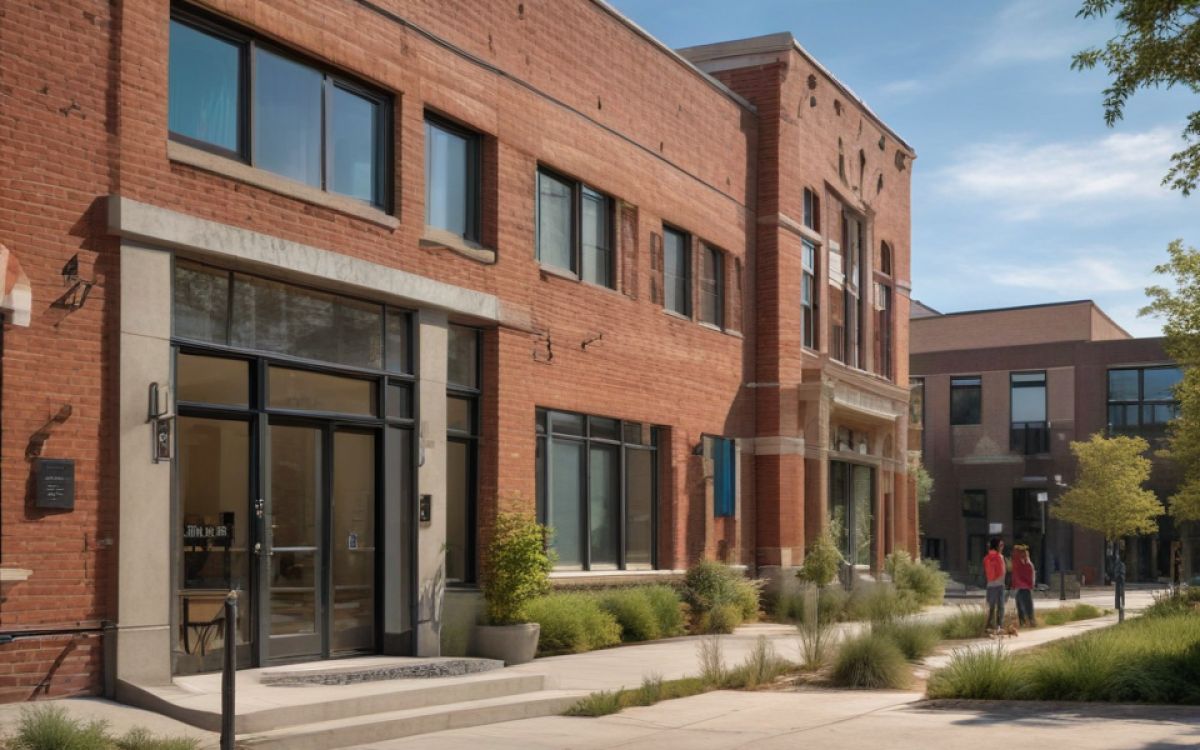
Residential schools play an important role in shaping students’ academic and personal development. These institutions combine education with on-campus accommodation, creating a structured setting that extends learning beyond regular classroom hours. For many families, they provide a balanced approach to academics, discipline, and extracurricular activities within a supervised environment. Understanding the various types of residential schools and their objectives helps parents and students make informed decisions about long-term educational goals and overall development.
What Is a Residential School?
A residential school, commonly known as a boarding school, is an institution where students live on campus during the academic term. In addition to regular classes, students receive supervised accommodation, meals, and access to facilities such as libraries, sports grounds, and laboratories.
Unlike day schools, residential schools maintain a continuous schedule that combines academics, co-curricular activities, and structured daily routines. This setup aims to create a stable learning atmosphere with consistent guidance from teachers and house staff.
Key Objectives of Residential Schools
Residential schools are designed with clear educational and developmental goals. Their objectives generally include:
1. Academic Excellence
These schools focus on structured study hours, smaller class sizes in many cases, and regular assessments. Supervised evening study sessions enable students to review lessons and address questions.
2. Holistic Development
Beyond textbooks, residential schools emphasize sports, arts, music, debates, and community activities. Daily participation in extracurricular programs helps students build confidence, teamwork skills, and creativity.
3. Discipline and Time Management
A fixed schedule governs wake-up times, classes, study periods, meals, and recreation. This routine encourages responsibility, punctuality, and independent living skills.
4. Social and Emotional Growth
Living with peers from diverse backgrounds allows students to develop communication skills, adaptability, and empathy. Residential life often strengthens interpersonal relationships and cultural understanding.
Types of Residential Schools
Residential schools vary based on curriculum, purpose, and administration. Understanding these categories helps families identify the most suitable option.
Government Residential Schools
These institutions are funded and managed by central or state authorities. They aim to provide quality education with residential facilities, often at subsidized costs. Examples include:
- Jawahar Navodaya Vidyalaya – Established to provide free education to talented students, particularly from rural areas. Admission is typically through a selection test.
- Sainik Schools – Focused on preparing students for entry into national defence academies, with emphasis on discipline and physical training.
- Eklavya Model Residential Schools – Created to offer quality education to students from remote regions.
These schools aim to increase access to education while maintaining academic standards and structured residential facilities.
Private Residential Schools
Private residential schools are independently managed and funded through fees. They often provide modern infrastructure, advanced laboratories, sports complexes, and international exposure programs. Many follow national boards such as CBSE or ICSE, while some adopt international curricula.
Their objectives typically include academic achievement, leadership development, and preparation for competitive exams or global higher-education pathways.
Military and Defence-Oriented Residential Schools
Some institutions are specifically structured to prepare students for careers in the armed forces. Apart from academic education, they emphasize physical fitness, leadership skills, and discipline. Students receive training that aligns with defence entrance requirements, creating a focused pathway for aspirants.
International Residential Schools
International boarding schools follow globally recognized curricula such as the IB or Cambridge framework. These institutions cater to families seeking international exposure and global academic standards. They often feature multicultural campuses, modern learning tools, and exchange opportunities.
The primary objective is to prepare students for admission to universities worldwide while maintaining a strong residential support system.
Co-Educational and Single-Gender Residential Schools
Residential schools may be co-educational or exclusively for boys or girls. Co-educational institutions promote collaborative learning and social balance. Single-gender schools may focus on tailored learning strategies based on specific student needs. Both models aim to provide a safe and structured campus environment.
Benefits of Choosing a Residential School
Selecting a residential school can offer several practical advantages:
- Consistent academic supervision
- Reduced travel time and distractions
- Access to structured extracurricular programs
- Development of independence and self-discipline
- Exposure to diverse peer groups
These benefits depend on the institution’s management, facilities, and student support systems.
Residential schools combine academics, accommodation, and structured daily life to create a comprehensive learning environment. A well-chosen residential school can provide not only education but also the skills and discipline needed for future success.